6 min read
What Jobs Can You Get After Coding Bootcamp? Top Career Paths in Tech

Jobs after coding bootcamp go well beyond "junior web developer." Graduates get hired as front-end, back-end and full stack developers, QA testers, technical support specialists, junior data analysts and AI application developers. Some roles are competitive, others quietly hire beginners. Here's how to pick your lane.
You finish a bootcamp, open LinkedIn, type "developer," and get a wall of listings asking for five years of experience. That gap between "I can build things now" and "someone will pay me to build things" is where most graduates panic. This guide maps the realistic options and shows which ones hire beginners. Then you pick your path, step by step.
Key takeaways
- Bootcamp grads land in at least 4 broad lanes: web development, software engineering, data, and AI-powered app development. "Junior web developer" is only one of them.
- Roles like QA tester, technical support and junior data analyst are legitimate entry points that use 60–80% of what you learned and often have less competition.
- DevOps, machine learning engineering and blockchain are usually second or third jobs. Don't make them your first target.
- Employers hiring people without a CS degree check 2 things above all: a portfolio of 2–3 real projects on GitHub, and whether you can explain your own code out loud.
What can you do after coding bootcamp? More than one thing
Here's the mistake I see every cohort make. Someone learns HTML, CSS, JavaScript, a bit of React and some SQL. Then they apply only to "Software Engineer" roles, get rejected forty times, and decide the bootcamp didn't work.
The bootcamp worked. Their search was too narrow.
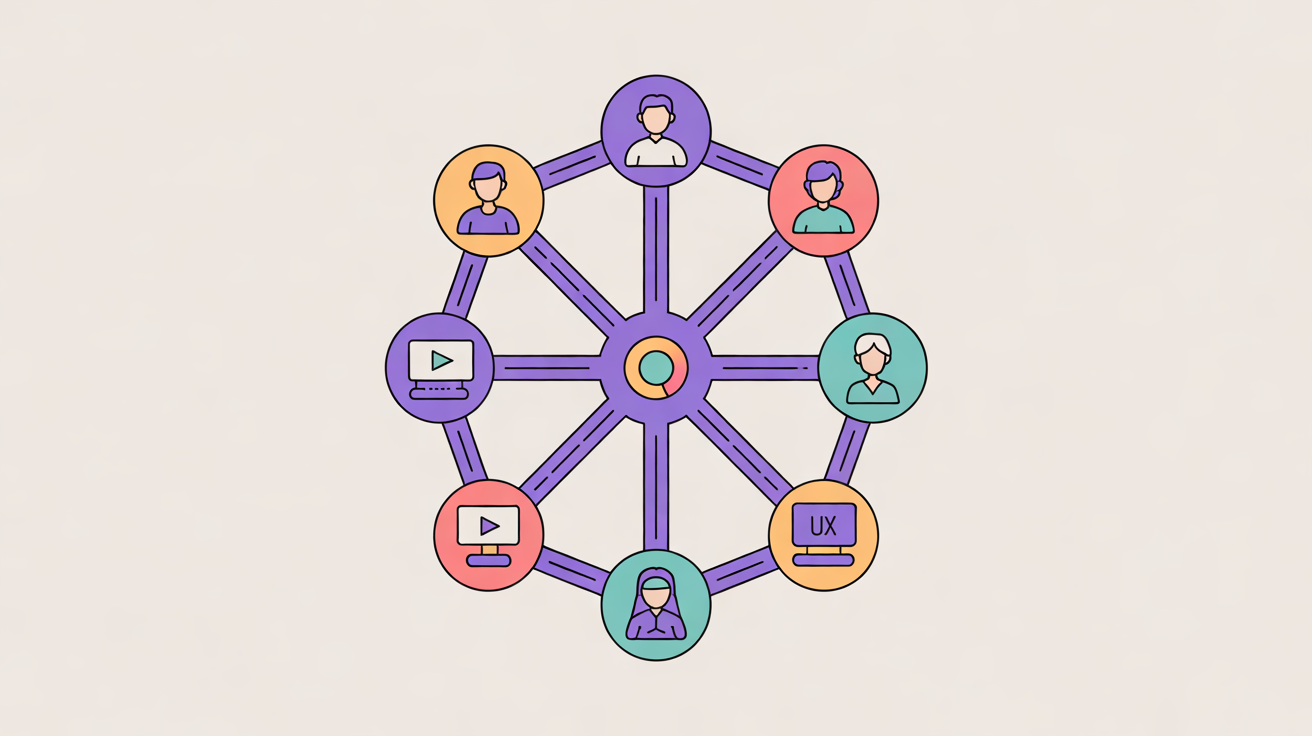
The skills you picked up transfer into a whole family of jobs. Some put you on the product team writing features. Others put you one desk over, testing those features, analysing the data they produce, or helping customers when they break. Every one of those desks is a way in, and plenty of people move from one to another within a year or two.
Which lanes you can realistically reach depends on what your bootcamp taught. If you're unsure, check your curriculum against this breakdown of what skills you actually learn at a coding bootcamp.
Junior developer jobs after bootcamp
These are the roles most people picture. They're competitive. They're also the most direct use of your training.
| Role | What you actually do | Core tools |
|---|---|---|
| Front-end developer | Build what users see and click | HTML, CSS, JavaScript, React |
| Back-end developer | Build the server, database and logic behind it | Node.js, Python, Ruby, SQL |
| Full stack developer | Both, usually on smaller teams | A mix of the above |
| Junior software engineer | Work on larger codebases inside a team | Git, testing, one main language |
Front-end
Front-end is where most beginners feel at home first, because you see your work instantly. Change one CSS rule, refresh, and the button turns blue. That feedback loop is addictive, in a good way. If the three core languages still blur together, this explainer on the difference between HTML, CSS and JavaScript sorts it out fast.
Back-end
Back-end work is less visual and more logical. You're designing how data moves, who's allowed to see it, and what happens when a request fails. The first time you hit a 401 error, you'll stare at it for an hour. Everyone does. Then you'll realise you forgot to send the auth token, and you'll never forget again.
Not sure what to learn next?
7 quick questions. A coding roadmap built around your goal and your time.
- What to focus on right now
- What you can safely ignore for now
- A first project at your level
- A weekly plan that fits your time
Free · About 2 minutes · No signup
Already learning? Check where your skills are or build a small app
Full stack and junior software engineer
My honest opinion: "full stack" on a junior CV means "I can build a small app end to end," not "I'm an expert in everything." Hiring managers know this. Use the label if your projects back it up.
Junior software engineer roles tend to sit inside bigger companies with established codebases. You'll spend your first months reading other people's code more than writing your own. That's normal. It's also where you learn fastest.
Side-door jobs after coding bootcamp
These roles get overlooked, which is exactly why they're worth a look. Fewer people apply. The technical work is real. And there's a clear path toward a developer title later.
I've watched career-changers spend months polishing a fourth to-do app while QA and support openings sat unread in the same job feed. The fourth app wasn't the problem. The narrow search was.
QA tester
QA testers make sure software works before it ships. Good ones write automated tests, which means writing code. If you're the person who noticed every edge case in your bootcamp projects, you'll be good at this.
Technical support and IT support
Support specialists troubleshoot problems for customers or staff. It sounds less glamorous, but you learn how real systems fail, and you build the debugging instincts that many junior devs lack.
Junior data analyst
If you enjoyed SQL more than CSS, look here. Analysts turn raw data into answers a business can act on. A typical interview task looks something like this:
-- Find the 5 products with the highest total sales last month
SELECT product_name, SUM(amount) AS total_sales
FROM orders
WHERE order_date >= '2026-10-01' AND order_date < '2026-11-01'
GROUP BY product_name
ORDER BY total_sales DESC
LIMIT 5;
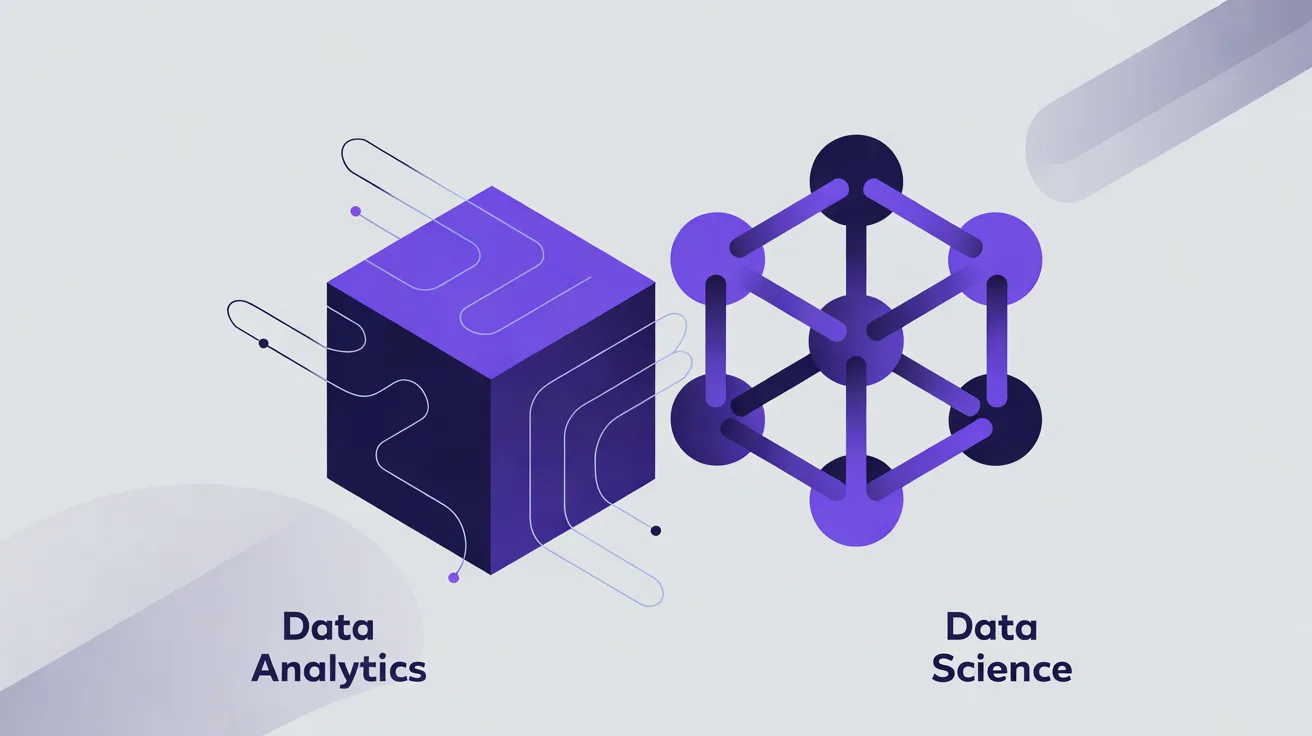
That query groups October's orders by product, adds up the sales, and returns the top five. If you can write that and explain each line, you're closer to this job than you think. Confused about where analytics ends and data science begins? Read data analytics vs data science before you apply.
Junior UX/UI designer
This one suits people who care how things feel to use. Knowing how to code makes you a better designer, because you stop designing things developers can't build.
Technical SEO and marketing automation
These live inside marketing teams. You fix site speed, structured data and crawl issues, or you wire up email and CRM automations with scripts. It's a great fit if you're switching from a marketing background.
The AI lane is new, and it's real
There's a newer path that barely existed a few years ago: AI application developer. These developers build software on top of AI models and APIs, things like support assistants, internal tools and workflow automations.
Here's the catch, and it's good news: this is still software engineering. You need the same fundamentals: APIs, databases, error handling. The AI model is one more component you call. That's why it rewards the fundamentals you already have.
Pick one lane and start this week
Choose one role from this list and read ten real job postings for it. Note which skills repeat, then build one project that proves them. When you're ready to apply, this roadmap for getting a job after coding bootcamp walks through the search step by step. If you want structured support building that portfolio, see the ZAM Academy bootcamp.
Frequently asked questions
Do I need a computer science degree to get a tech job after a coding bootcamp?
Not necessarily. Employers hiring non-CS grads mainly look for a portfolio of 2–3 real projects on GitHub and whether you can explain your own code out loud.
Which jobs should I avoid targeting straight after a bootcamp?
DevOps, machine learning engineering and blockchain roles are usually second or third jobs. Aim for web development, QA, support or junior data roles first.
Can I get a tech job after a bootcamp without being a developer?
Yes. QA tester, technical support, junior data analyst, junior UX/UI designer and technical SEO roles all use bootcamp skills and often have fewer applicants than developer jobs.
What does a junior data analyst do?
A junior data analyst turns raw data into answers a business can act on, often using SQL. A typical task is querying orders to find the top five products by sales.
Does "full stack developer" mean I need to be an expert in everything?
No. On a junior CV it means you can build a small app end to end. Use the label only if your portfolio projects show it.
What is an AI application developer?
An AI application developer builds software on top of AI models and APIs, such as support assistants or workflow automations. It still relies on core skills like APIs, databases and error handling.